First impressions matter, especially online. For websites showcasing stunning visuals, ensuring lightning-fast image loading is paramount. Slow loading times can leave a lasting negative impact on potential visitors, driving them away before they even experience your content.
While techniques like lazy loading, CDNs, edge servers, caching, and precise image sizing are crucial, there's another often-overlooked factor:image format.
Take a look at the following image...
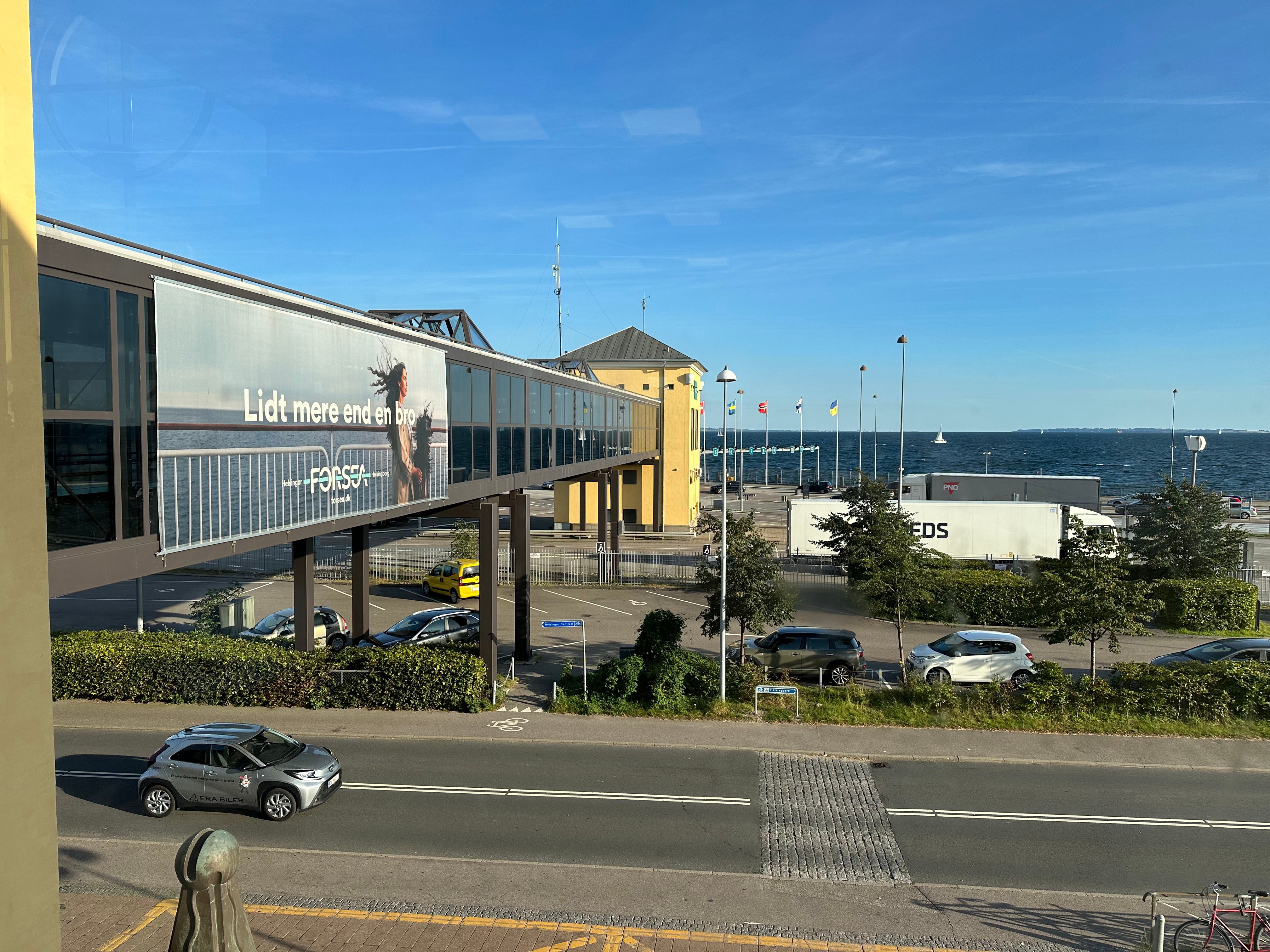
4032 x 3024, 1.8 MB, JPG
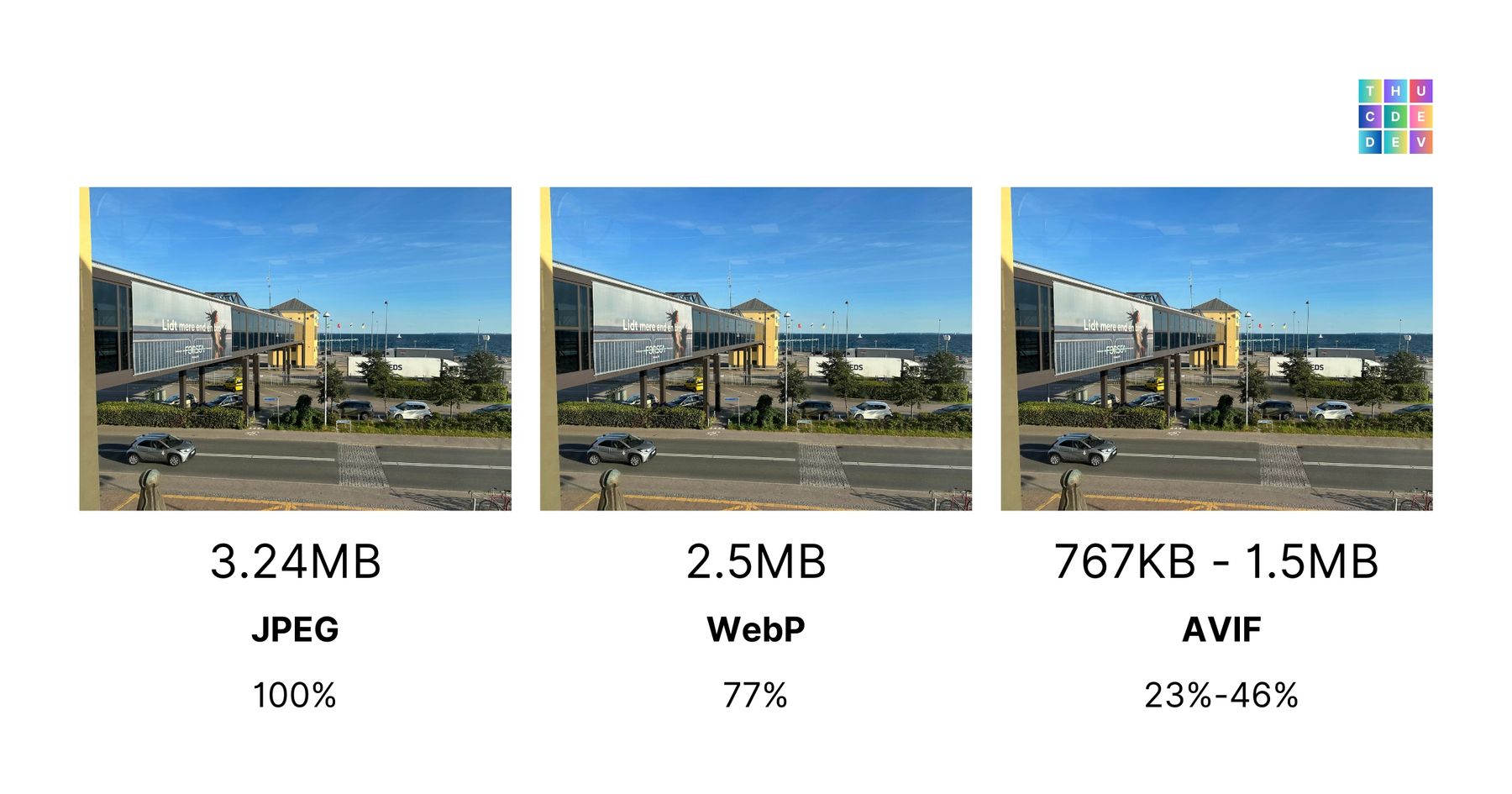
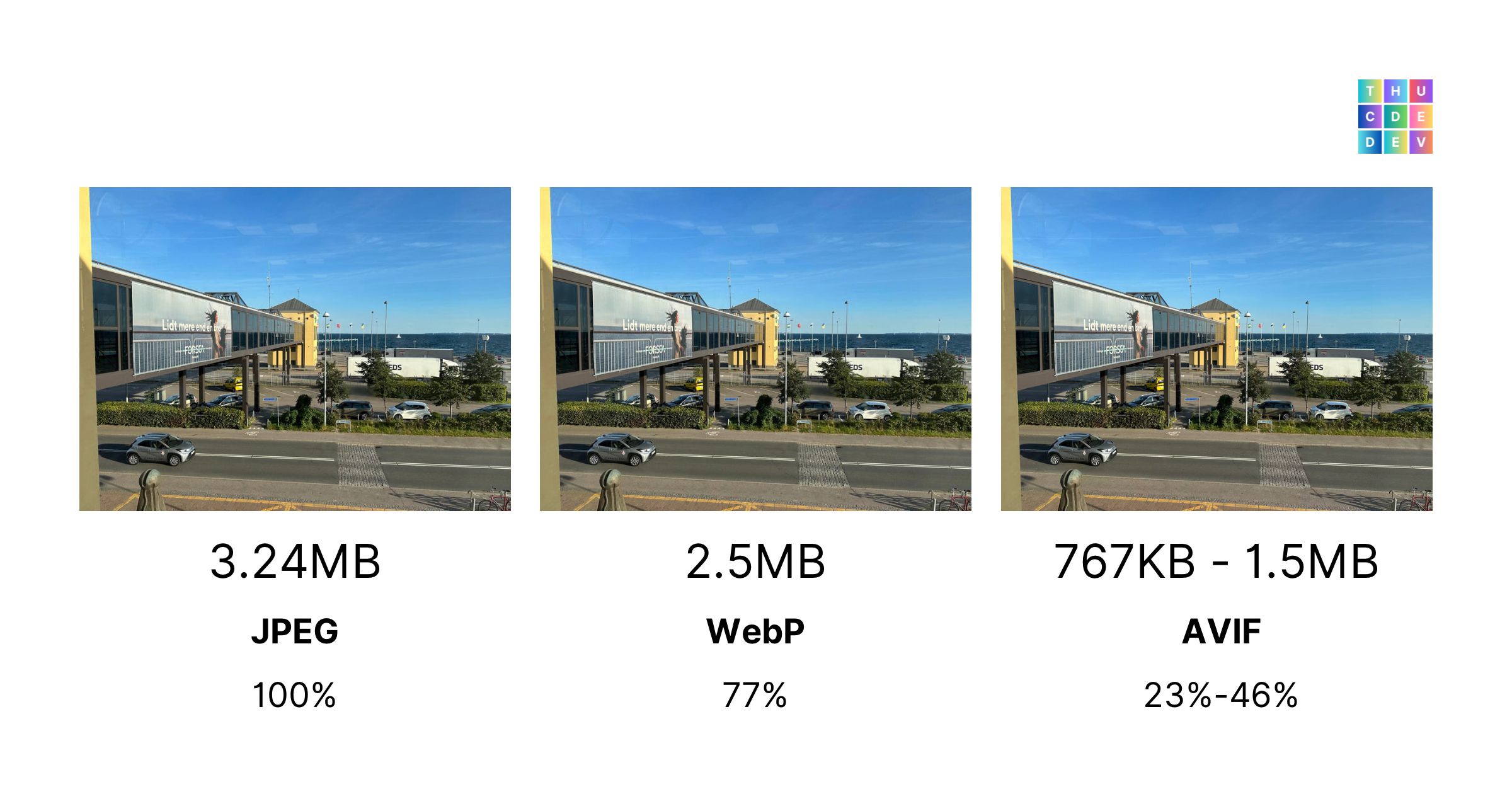
Original, JPEG format, 3.24MB
Images on this website have been optimized! So, they are smaller than their originals.
Check out the original JPEG file of the above image here
Original JPEG
3.2 MB
Choosing the optimal format for your images, combined with other optimization methods, can significantly boost your website's performance and keep your audience engaged. Here are two powerful options to consider:
Developed by Google in 2010, WebP has become a game-changer for website image optimization. Its magic lies in offering superior compression compared to traditional formats like JPEG and PNG, while maintaining impressive image quality. This translates to significantly smaller file sizes, leading to faster loading times and a smoother user experience.
Here's what makes WebP stand out:
Smaller Images: Compared to JPEG, WebP typically delivers 25-35% smaller file sizes, and a whopping 50-80% reduction compared to PNG. This translates to faster loading times, keeping your visitors engaged and happy.
Versatility: WebP supports both lossy and lossless compression, allowing you to choose the best option based on your needs. Need smaller file sizes for photos? Opt for lossy compression. Require sharp details for graphics? Lossless is your friend.
Transparency Support: WebP doesn't shy away from complex visuals. It offers alpha channel support, making it suitable for displaying images with transparent backgrounds, like logos and icons.
I've been using this format for my website since it's widely supported by most browsers and easy to convert.
Meet AVIF, a rising star in the world of image formats. It offers:
Superior compression: Compared to other formats such as PNG, JPEG, or even WebP, AVIF can significantly reduce the file size of image while maintaining the impressive image quality!
Lossy and lossless options: Choose lossy compression for photos, where slight quality reduction is acceptable for drastic file size reduction. Opt for lossless compression for graphics and images requiring sharp details without any quality compromise.
Richer visuals: It supports a wider range of color gamut and higher bit depth, results in more vibrant and stunning images!
Yes, in the future when all browsers and devices support AVIF format, but..
For most websites today, WebP is the clear winner. Its widespread adoption and proven performance make it a safe and effective choice. However, staying informed about emerging technologies like AVIF is crucial. As browser support expands and its capabilities mature, AVIF might become the preferred format in the future.